|
» »
Genes and excess weight. Does genetics influence fat storage?
Author: Mikhail Ziborov - author of the site makefitness.pro. All articles by the author ➤
Right away, I'll answer: yes and no. It depends on the specific case. For example, the head of our team Alexander Dobromil gained over 100 kg in his youth but lost 35 kg by the age of 30+ 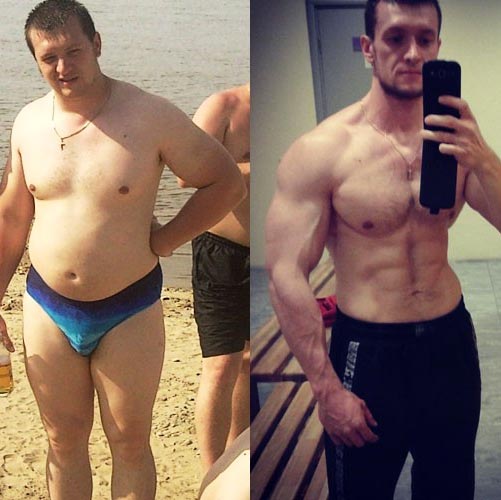
This can be interpreted as him having overcome his genetics? Or did heredity play a minimal role here, with everything depending on his lifestyle and diet? Essentially, we need to dig deeper. When Genetics Really Influences Weight GainThis category includes all cases where there are mutations in genes (possibly diseases), and full parents pass their fullness down to their child (research). So, if the parents were overweight for a long time, that information is certainly encoded in the genes, and then they had a child, passing on a predisposition to being overweight (the probability of transfer is about 60-80% based on the study). But if the parents never had extreme body weight, everything is in the normal range (i.e., there’s some fat, but it's not exactly excess weight, let alone obesity), then the child has almost no genetic predisposition to obesity/excess weight (the probability in this case is 30%, which is significantly lower than for parents with excess weight). And even then, it's not guaranteed that mutations will appear and lead to excess subcutaneous fat. Where do mutations/diseases come from that lead to gene malfunctions and subcutaneous fat buildup? Mutations in genes arise from the environment and our way of life. Well, if we understand that we can't influence ecology, then our lifestyle (what and how much you eat, how active or inactive you are) is within our competence. In short: heredity does not significantly affect your appearance (excess weight) if your parents, grandparents, and great-grandparents did not suffer from obesity before passing on their genetic material to you. There are many more people who became overweight due to overeating than there are people with genetic mutations. When Genetics Does Not Affect Excess Weight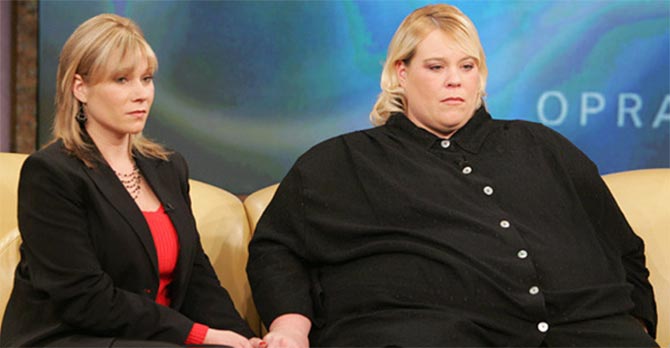
Look, here are two twins who look completely different. Why is that, since they have the same genes? This is one of those cases where one inherited a slender figure in the womb, while the other got fullness—possible, but very unlikely. It all comes down to lifestyle. One pays attention to her diet and is active, while the other works in an office and eats whatever she wants and as much as she wants. In short, with normal genetics, people often (emphasizing the word "often") just eat a lot and move little (energy/calories are stored as fat). Most people fall into this category. To blame everything on genetics when there are no deviations/diseases present is simply an excuse. Almost anyone can lose weight, and we have tools for that—nutrition and workouts (suitable for any taste, age, and living conditions). For those who find it easier to follow along with videos, there are entire guides. How to understand that the issue is not genetics but your lifestyle (you simply eat too much)? Just count the calories for everything you eat for just one day (everything that goes into your mouth, even coffee). If the calories exceed what your body requires in a day (your caloric norm), then the issue is clearly not genetics. SIMILAR ARTICLES
COMMENTS |