|
» »
Can you build muscle with poor exercise technique??
Author: Mikhail Ziborov - author of the site makefitness.pro. All articles by the author ➤
Exercise technique... Everyone talks about the need to adhere to it; trainers try to instill this technique in their clients. Technique is primarily needed for: - maintaining one's health (avoiding injuries); - better targeting a specific muscle or muscle group (so that other muscles do not take on the lion's share of the load). But still, is it possible to lift weights with improper technique if it doesn’t lead to injuries? By the way, we discuss such delicate questions in our yourfit Telegram channel: you can ask any question you're interested in, and we will answer it with reasoned arguments. 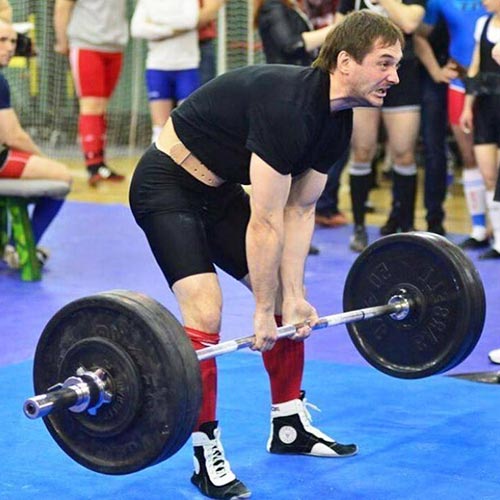
What is Improper Exercise Technique?Improper technique involves lifting weights using other muscles instead of just the target muscle or muscle group (the one that is supposed to bear the main load). In other words, the transition from proper technique to improper technique is an attempt to relieve the load from the working muscle and shift it to others. This is often how beginners interpret it. For example, during a bicep curl with a barbell, muscles like the biceps, brachialis, brachioradialis, and pronator teres are involved. This exercise is typically used by beginners to bulk up their biceps. However, one could load a lot of weight onto the barbell and lift it by jumping or swinging the body. Would this be an effective way to train for muscle mass and strength? Improper Exercise Technique: Is It Acceptable?In fact, it is acceptable. However, there are certain “buts.” Improper exercise technique is nothing more than a well-known term cheating (from English – fraud) – a deliberate violation of proper technique to continue performing the exercise. Upon hearing about cheating and its advantages, many beginners start performing the exercise with cheating from the very first repetition, adding more weight to the barbell than they should. When a trainer points out, “Dude, your technique is off,” the response tends to be, “I’m cheating.” However, cheating should be employed at the end of a set, after you have completed many repetitions with proper technique and can no longer lift the weight. Only then do you change the movement technique (making it improper), cheat, and continue the set for 1-3 more repetitions. Cheating is needed for additional muscle loading. This is somewhat similar to forced repetitions, where you perform the exercise to failure or near-failure, and then a partner helps you finish 1-3 more reps. The difference is that in forced repetitions, your partner assists you while you maintain a relatively correct technique, whereas in cheating, you assist yourself with fresher muscles. And as we know, cheating, like forced repetitions, is acceptable at the end of a set when you lack the strength to lift the weight. However, loading the barbell with excessive plates and cheating from the very first repetition is not cheating at all. It’s incomprehensible. It's like loading the bar with a weight you can’t lift and then raising it with your partner's help from the first repetition. In short, it loses its meaning. Thus, improper technique (cheating) is acceptable for training if used at the end of a set to increase the intensity of the exercise. But cheating can vary from one trainee to another. For example, let’s consider the same exercise – standing barbell curls. One person might start swinging their body slightly at the end of the set to lift the weight, while another might jump with the barbell, using their entire body to bring it closer to their chest. Look for yourself. In the first video, we observe body swinging (acceptable cheating), while in the second video there’s excessive cheating, where the person literally bounces under the bar: In the second video, if you analyze it, the athlete gains no advantages from performing the exercise this way: through improper technique, they simplify the movement, something they could achieve with less weight but more correct technique. But overall, both correct and incorrect execution of the exercise is still physical activity that leads to physical development: building muscle mass, strength, and endurance. Therefore, the answer to the question “Can you lift weights with improper technique?” – yes, you can. But keep in mind that the effectiveness of cheating depends on the extent of this cheating. In a study titled "Does cheating pay: the role of externally supplied momentum on muscular force in resistance exercise,” researchers concluded that: - moderate use of external momentum (cheating) increases both peak torque per repetition and overall hypertrophy stimulus in growth; - excessive use of momentum (cheating) leads to reduced load on target muscles. In other words, improper technique can be beneficial if used wisely – at the end of a set after completing repetitions with correct technique. Conversely, improper technique will be counterproductive if used from the start of a set to lighten the weight lifting. SIMILAR ARTICLES
COMMENTS |