|
» »
Deception from a cardiologist, or why is everyone afraid of fats?
Author: Ekaterina Kovalevaа - integrative nutritionist. All articles by the author ➤
We all have phrases in our heads that we have heard many times: butter is harmful, you cannot eat too many eggs, cholesterol will clog your blood vessels, you should choose fat-free products, and so on. Despite the fact that modern science has removed fats from the list of health enemy No. 1, fear of fats remains relevant. Why and how did it all begin? At the beginning of the 20th century, the American company Crisco mastered the production of vegetable oil: they quickly realized that they could produce oil cheaply from flax, soy, and sunflower, and sell it at a higher price. To do this, they convinced American housewives that it was necessary to fry with vegetable fats, although until then the whole world had fried food in solid animal fat. At the same time, the United States experienced an epidemic of cardiovascular diseases, and the government tasked scientists with finding the cause of this problem. Cardiologist Ancel Keys — a man without honor, as his acquaintances remembered him, the scientist who started the Great Deception. 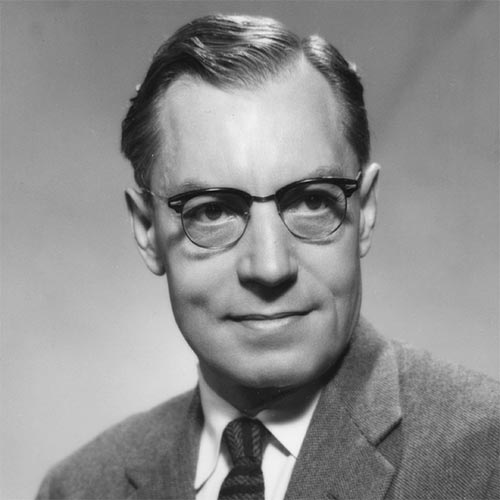
Keys selected data for his work in such a way that everything that confirmed his hypothesis was kept, and everything that did not fit was cut out. The essence of his work was that he took information on mortality and fat consumption levels in 22 countries and built a graph showing a direct relationship between these phenomena, but the problem was that he left only 6 countries on the graph (out of 22!), countries that fit his theory. So, it turns out, it is easy to deceive the whole world and turn science in the desired direction. And the food industry found a profitable solution: remove fat and replace it with sugar and starch. Labels saying 0% fat appeared on packages, people began eating more refined products, carbohydrates, and trans fats, and health problems began to grow: insulin resistance, metabolic disorders, obesity. This has become enormous in scale, and it is affecting younger and younger people every year. Fear of one nutrient shifted the focus to excess of another, and at what cost? Why do we need fats? Science already knows that 80% of all cholesterol in the body is produced by the liver, and the remaining 20% comes from food. Only 20% (!) from food. Fats are not just 9 kcal per gram; fats are the structural foundation of our body, the building material of cells, because the membranes of all cells consist of phospholipids. Most of our brain is made of fats; the myelin sheaths of neurons, which ensure the speed of impulse transmission, are fats. Cholesterol plays a huge role in hormonal health: it is a precursor of sex hormones, adrenal hormones, as well as a precursor of bile acids and vitamin D. Therefore, if we see high cholesterol in the blood, it only means that the body currently needs it. The body is very smart and distributes its resources on its own. For example, if a person has a deficiency of sex hormones, what will our liver do? It will increase the production of the substrate, cholesterol. In youth, we all sin with our diet, eat a lot of fatty foods, and do not think about health, but cholesterol does not rise — why? Because everything goes to the production of sex hormones, to the active growth of the body. Another function of cholesterol is the absorption of fat-soluble vitamins A, D, E, K. Without fats, they are not absorbed in the intestine, even if you take them as supplements. It is very important to understand that fats are not all the same. Unsaturated fats (olive oil, fatty fish, nuts, seeds) have a proven anti-inflammatory effect and definitely benefit the body. Saturated fats (meat, dairy products, coconut oil) are not 100% harmful. Their effect depends on the overall diet, lifestyle, genetics, and a person's activity. The only class of fats that science recognizes as harmful is trans fats. These are the fats you should be afraid of. They increase the risk of cardiovascular diseases and inflammation in the body. The body very delicately regulates the process of cholesterol production in the liver: if you eat more of it, the liver synthesizes less. It is far more dangerous to see low cholesterol levels in the blood: it means our liver is not coping, and its synthetic function is reduced. 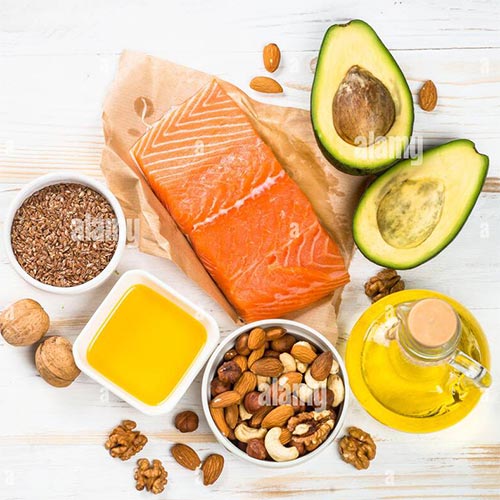
Cholesterol is contained in the cell membrane; without it, emulsification and absorption of fats is impossible. Vitamin D absorption will also be impaired: after all, it is cholesterol that, under the action of UV rays, is converted into cholecalciferol. As mentioned above, all steroid hormones begin from cholesterol. For most healthy people, eating eggs and whole dairy products does not cause a significant increase in blood cholesterol. Studies over the past 10–15 years show that dietary cholesterol does not affect the lipid profile in most people. Finally, official recommendations have shifted focus toward choosing foods, and more and more often quality fats can be found on the list of healthy foods, because their exclusion can lead to serious health problems. Sugar and processed foods have a more pronounced negative effect than natural sources of fat. Physical activity, stress management, good sleep, and giving up smoking and alcohol are the main pillars of protection against cardiovascular diseases, not the exclusion of fats from the diet. Conclusions: do not be afraid of natural fats, choose whole foods, include nuts, seeds, avocados, olive and flaxseed oil (cold-pressed), fatty fish, eggs, and quality dairy products in your diet. Avoid trans fats and eliminate them from your diet completely. The biochemistry of our body says: fats and cholesterol are vital; without them, it is impossible to build the body's structures properly. Brain function, hormone balance, and immunity depend on them. Health is built not on exclusion, but on balance, the quality of products, and a conscious attitude toward one's body. After all, nutrition is the main source of energy and health. SIMILAR ARTICLES
COMMENTS |