|
» »
Plant-based protein: should it be considered when gaining muscle mass?
Author: Mikhail Ziborov - author of the site makefitness.pro. All articles by the author ➤
Gaining muscle mass is highly dependent on nutrition. Specifically, it relies on the adequate intake of all nutrients: proteins, fats, and carbohydrates. The thing is, these proteins can come from various sources, such as fish and nuts. Lists of high-protein foods and top products for mass gain are available on the Telegram channel yourfit. Plant proteins are considered biologically incomplete for one simple reason – they contain significantly fewer amino acids (or some are entirely absent) compared to animal proteins. 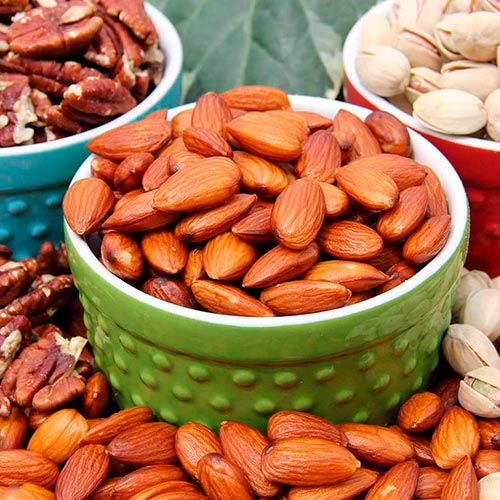
In most cases, this is indeed true, with the exception of soy, which can compete with animal proteins in terms of amino acid composition. However, it is advisable not to consume excessive amounts of soy. If any single amino acid is lacking, the construction of muscle tissue cannot proceed properly. This brings us to the question: should we account for plant protein, given that it is incomplete? Should We Consider Plant Protein?The simple answer is yes. Because it is still protein, and it also supplies the body with a certain amount of amino acids that are necessary for muscle building. For instance, in the scientific community, there is a concept known as nitrogen balance – a balanced quantity of nitrogen entering and exiting the body. All proteins are sources of nitrogen. If one exclusively consumes incomplete protein of one type for an extended period, a phenomenon known as negative nitrogen balance can occur – where the amount of nitrogen excreted exceeds the amount entering the body. In a state of negative nitrogen balance, the body may experience protein starvation, making muscle growth impossible. However, I must emphasize that this is a long-term issue. Additionally, most of us are not vegans and follow a mixed diet that includes both plant and animal proteins. Some popular bloggers claim that plant protein doesn't need to be considered, arguing that due to its incompleteness, it doesn't influence muscle protein synthesis (muscle growth). However, this is incorrect: plant protein does affect this process. Protein synthesis in the body is an anabolic process, meaning a process of growth. By simply eating, even without training, we initiate anabolism (research), i.e., muscle growth. However, the duration of this process is short – only about 1.5 hours (on average) compared to the anabolism triggered by exercise. 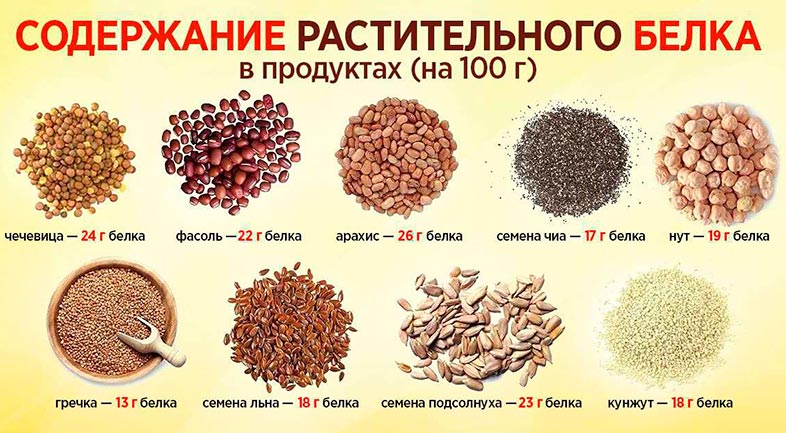 If you exclusively consume plant proteins and engage in training, you will progress and gain muscle mass! It is essential that you obtain plant proteins from various sources to maintain an amino acid balance: if one source lacks a specific amino acid, you can get it from another. These sources can include peas, brown rice, and nuts. As evidence, consider this study: - 19 participants received exclusively plant protein, while another 19 received a mixed type of protein (plant + animal); - the study lasted 12 weeks; - there were 2 strength training sessions per week; - the protein intake for all participants was approximately 1.6 g per kg of body weight per day; - all parameters were measured before the experiment started and after it concluded. Results: both groups gained muscle mass approximately equally (the plant protein group even slightly more), but strength indicators were slightly higher in the animal protein group. Conclusion from the scientists: a high-protein (~ 1.6 g/kg/day), exclusively plant-based diet (whole plant foods + soy protein isolate) does not differ from a balanced mixed diet (whole foods + whey protein supplements) in maintaining muscle strength and mass, suggesting that the protein source does not affect muscle adaptation triggered by strength training. From the research, we see that the results were roughly comparable when consuming either plant or animal protein. Therefore, when gaining muscle mass, plant-based protein should be accounted for, as it contributes to the anabolic process as well. Quality proteins with various flavors can be found from the sports nutrition manufacturer DobromilFit. Other Parameters of Plant Protein1. The Rate of Muscle Protein Synthesis. This does not differ between the consumption of animal and plant protein. In this study, 36 individuals were divided into three groups, where some consumed milk, others wheat protein, and the third group received a mixed protein (half milk, half wheat). The results and conclusions of the researchers are as follows: the intake of milk protein, wheat protein, or the mixture of wheat and milk increases the rate of muscle protein synthesis in young men. Moreover, the rate of muscle protein synthesis after consuming milk protein does not differ from the rates observed after consuming wheat protein or the mix of milk plus wheat protein. As we can see, the rate of myofibrillar protein synthesis is not different between various types of dietary proteins. In other words, the body does not care where it obtains the necessary materials for growth – from wheat (plant) or from milk (animal). 2. The Volume of Protein in Animal and Plant Products. The main concern for the body is to obtain a sufficient amount of building materials. Simply put, plant proteins provide fewer of these materials, i.e., amino acids (study). However, nothing prevents you from combining several sources of plant protein to balance the amino acid composition. 3. Digestion Rate. I must warn that products such as legumes (peas, beans, lentils, etc.) take quite a long time to digest. As a result, the rate of muscle protein synthesis may initially be low but will level out afterward. We observe a similar effect when consuming casein protein (a complete animal protein) which has a slow absorption rate: it accelerates the body’s anabolic processes much later than fast-absorbing whey protein. Thus, for muscle growth, the rate of muscle protein production and the digestion speed of foods are not as critical. Much more important is the volume of amino acids obtained, from which this muscle protein will be constructed. Therefore, don’t worry too much about how much protein you’re getting and from which source. Here’s a balanced diet plan, where everything is already prepared for you. Training according to our programs can be found here. SIMILAR ARTICLES
COMMENTS |