|
»
Simple yoga practices for healing the spine (Part 2)
Author: Sofya Pushkaryova - yoga instructor and psychologist. All articles by the author ➤
Yoga is great because you can find practices suitable for any age and condition of the body. Health yoga helps with various diseases. This is the modern application of yoga techniques to address the issues of business people. A healthy spine is the foundation of a healthy body. Therefore, restoring and maintaining the flexibility of the spinal column is the primary task for everyone with a sedentary office job. Unfortunately, we often spend time at the computer, move little, and experience a lot of stress in everyday life. This leads to back pain, precursors to the common disease known as osteochondrosis. Impaired flexibility of the spine can lead to premature aging and decreased activity in all areas of life. Additionally, pain in any part of the spinal column can be both a cause and a consequence of problems in certain internal organs. Thus, healing the spine not only rejuvenates but also has a positive impact on all organs and systems. By healing your spine through simple yoga practices, you treat and restore the whole body. Although the practice of yoga is accessible to everyone, it is essential to remember that there are certain conditions and stages of diseases when, at the initial stage of learning, you need an experienced trainer. The trainer will provide you with the most beneficial yoga practices and exclude those exercises that should not be done at the initial stage. When it comes to spinal diseases, especially careful and attentive practice is required in the presence of hernias. In this case, it is better to take advantage of the services of an experienced trainer to avoid harming yourself. In the previous article, I talked about strengthening the legs as the foundation of the body. Now, I will focus on no less useful series of asanas that help strengthen and relax the back muscles, restore spinal flexibility, and positively affect the internal organs. Before starting yoga practices with any health conditions, you must consult with your treating physician. If you begin classes with a trainer, be sure to inform them of your health status before starting the sessions. Take care of yourself. The trainer is not responsible for the consequences of the practice if you did not inform them of any conditions and did not consult with your treating physician. Perform all exercises within your limits, and do not overstrain. It is better to repeat one asana several times. At the initial stage, this is quite acceptable. After performing the asana, be sure to completely relax your body and restore your breathing. Do not rush; shift your focus to the process and enjoy the practice. We begin the practice, as always, with joint gymnastics. Be sure to warm up all sections of the spine. In this way, yoga practice will give you the maximum result. Asanas for Spinal TreatmentArdha Shalabhasana (Half Locust Pose). This asana strengthens and relaxes the back muscles, elongating the spine and restoring its flexibility. With regular practice, it improves posture and increases the overall endurance of the body. 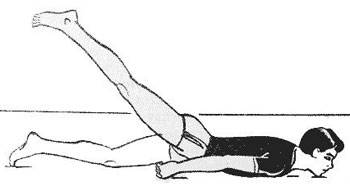
Shalabhasana (Locust). This has the same effect as the previous asana, which serves as a preparatory pose. This asana strengthens the spinal stabilizing muscles. In everyday life, these muscles are rarely engaged. Therefore, by performing this exercise, you develop proper posture and eliminate the effects of scoliosis. 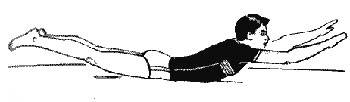
This leads to the elongation of the spinal column and opens the thoracic region. Additionally, the asana stimulates the liver, pancreas, gastrointestinal tract, and all pelvic organs. While performing it, try to stretch your arms forward and your legs back, thereby elongating the spinal column. Do not strain your neck muscles or tilt your head upwards. This asana should not be performed in cases of hypertension. Bhujangasana (Cobra). This asana strengthens the back muscles and restores flexibility in the thoracic region of the spine. It may also help with disc displacement, returning them to their proper position. In this asana, focus on elongation. There should be no discomfort during the practice. Lift your torso as much as possible for you at this moment. Then completely relax your body. 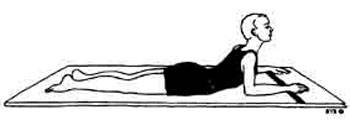
Ardha Kurmasana (Half Tortoise Pose). This asana compensates for the previous exercises. It gently stretches and relaxes the back, soothing and relieving tension and stress. 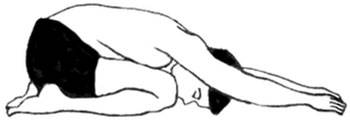
Shavasana. And to conclude the sequence, perform Shavasana. Fully relax your body and clear your mind of problems and worries. Do not rush; feel the softness of your body, and enjoy the silence and tranquility. 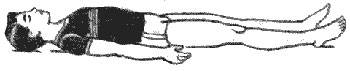
Practice with pleasure and for your health! I conduct individual yoga sessions for osteochondrosis, protrusions, and hernias in Moscow. To sign up for your first class, call 8 926 596 87 15 or email info@yoga-klub.ru. I develop individual practice programs via email and conduct consultations on Skype at sonya_pushkareva. Your personal yoga trainer Sofia Pushkareva SIMILAR ARTICLES
COMMENTS |