|
» »
What are edemas and how to get rid of them?
Author: Mikhail Ziborov - author of the site makefitness.pro. All articles by the author ➤
Edema is the accumulation of fluid, primarily water, in the body. It is often confused with obesity: women start training and adhering to diets, yet their weight seems stuck. Those extra 2 kilograms that weren’t on the scales yesterday are indeed edema, as fat does not accumulate that quickly (1 kg of subcutaneous fat equals about 7000 kcal, which cannot be amassed in a day). Even in 3 to 7 days, you cannot gain as much fat or muscle. Additionally, anabolic steroids, besides promoting muscle tissue growth, also lead to water retention in the body, similar to creatine (and this is also a form of edema). Edema is intricately linked to fluid and salt balance/exchange. Have you heard of it? This is the intake and elimination of salts and water from the body. It is vital for us, and issues with the intake or elimination of water and salts are the main reasons for edema. For more information, refer to the video: What Types of Edema Exist?1. Carbohydrate (insulin) edema. There are several reasons for its development, but all are linked to insulin and other hormones, such as ADH and glucagon. In combination, they affect sodium excretion from the body. A lack of sodium (table salt – NaCl) leads the body to retain water. Conversely, an excess of carbohydrates and elevated insulin levels lead to sodium accumulation in muscle cells. When sodium increases, it needs to be diluted with water, and the body retains it. The solution is to reduce the intake of simple carbohydrates. 2. Protein edema (specifically, protein deficiency in the diet). The mechanism is somewhat complex: the volume of proteins in blood plasma decreases, which lowers the oncotic pressure of the plasma, ultimately leading to tissue edema. Simply put, eat more complete protein (meat, fish, dairy, etc.). 3. Hormonal edema. This develops with excessive secretion of the following hormones: These hormones contribute to sodium retention in the body. More sodium = water retention. Such edema can only be treated by a doctor. It's necessary to check ADH levels and thyroid hormones – TSH, T3, T4, ATA-TG, ATA-TPO, and vasopressin. You need to increase your intake of fats and cholesterol. 4. Lymphatic edema. This is due to impaired lymphatic flow causing proteins to accumulate; the body aims to dilute them with fluid. Physical activity and massages help because a sedentary lifestyle can cause lymph stagnation. You can learn more about types of edema and what to do about them in: How to Determine if You Have Edema (Signs of Edema)Swollen face from pillow marks after sleep or a puffy face – this is edema. 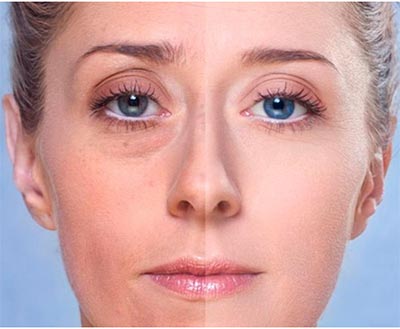
Cellulite – is also a form of edema (certain substances accumulate in fat, and water rushes there to dilute these substances, resulting in the “orange peel” effect). By evening, fingers swell, and shoes and rings become difficult to remove – these are signs of edema. 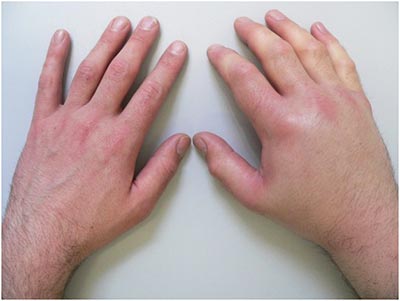
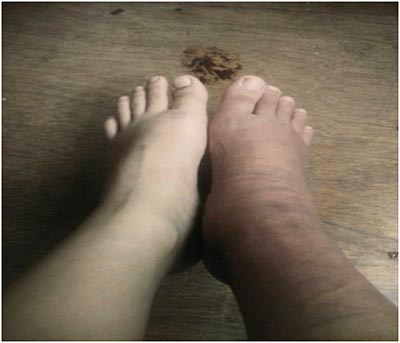
Temporary weight fluctuations (more than 0.5 kg in a day) indicate the presence of edema. This is their main symptom. Causes of Edema- Lack/excess of salt (especially sodium, as salt is sodium/chlorine) or an imbalance in the ratio of salts (minerals); - Subcutaneous fat (accumulates substances that the body needs to dilute with water, hence fat retains water); - Constant lack of water: the body retains it, which is why establishing a drinking regime is important; - A large intake of water at once, especially when such a quantity is not consumed regularly; - Deficiency of minerals (they control 15% of body water, but their deficiency can lead to edema); - Blood pressure: high or low, it will eventually lead to kidney dysfunction, if it hasn’t already; - Problems with kidney function: the kidneys are unable to excrete enough water, leading to accumulation in the body; - Stress: nerves increase local pressure in the kidneys, disrupting their function and causing edema; - Diabetes (you should get checked); - Acute deficiency of vitamin C. How to Get Rid of EdemaYes, through training, we lose weight. But exercises are not always effective in addressing edema because during workouts, we sweat, losing salt and water. As a result, there is less salt and water in the body, leading to a decrease in the scale numbers (body mass decreases due to the loss of water and salt). However, as soon as we drink water and consume something salty, our weight quickly returns. In short, training does not always save you from edema. Drink water. General recommendations suggest 2-3 liters per day, but it’s better to calculate your individual needs using an app like Drink Water Reminder. Control the intake of salt (NaCl/sodium-chlorine) and other minerals: these should not be in excess or deficit (Na controls 85% of water in the body, while the other 15% is regulated by other microelements). A simple way to consume minerals is through mineral supplements and regular mineral water (though they vary, so try to get several different types). You can look up the recommended daily allowances for minerals online. If the problem lies with the kidneys, then this is a matter for a doctor. You cannot independently restore their function. At most, you can somewhat improve their performance with baths, heating, massages, and physical activity, but these methods will not fully heal the problem. A clear sign of kidney dysfunction is weight fluctuations after training (weight decreases) and on rest days between workouts (weight increases due to water retention). It’s simple: with insufficient kidney function, substances that should be excreted in urine are expelled through the skin via sweat (resulting in unpleasant odors and excessive sweating during workouts). Water and salts are lost through sweat, causing you to lose weight, and when the body calms down after training, it retains water and salts again but cannot eliminate them through urine. In short, fix your kidney function, and the edema will subside. More details in the video: If you have blood pressure issues and experience edema, the problem is related to this. Blood pressure has led to worsening kidney function, resulting in edema. Consult a specialist or check out this video: ConclusionPeople often confuse edema with excess weight, which is why some may struggle to lose weight through diets or workouts. The focus should be on treating edema rather than just addressing fat. If the issue is related to water or salt, you can tackle it on your own. Issues with the kidneys or blood pressure are more serious and require professional advice. SIMILAR ARTICLES
COMMENTS |