|
» »
Top signs of zinc, copper, potassium, and sodium deficiency
Author: Mikhail Ziborov - author of the site makefitness.pro. All articles by the author ➤
Daily useful information, answers to your questions – everything is with us on Telegram: just join, subscribe, and receive material every day and see if it’s interesting to you or not. By the way, this is the second part about the lack of minerals. In the first part I talked about the symptoms of calcium, magnesium, and iron deficiency – what you should pay attention to first. Symptoms of deficiency of zinc, copper, potassium, and sodium1. Zinc. Like other minerals, it is responsible for many different reactions in the body: A). Reproductive system. Besides affecting the quality of erection, zinc is also responsible for testosterone synthesis, which is necessary for normal sexual life for both men and women (research 1 and 2). Interesting fact! Zinc is actively lost during ejaculation and menstruation. B). Hair. Zinc does not have a specific storage place in the body (a depot), so when it is deficient, hair becomes dull or a reddish hue appears. At a later stage, focal hair loss may occur, i.e. in specific areas rather than all over the scalp (research). C). Vision. The cornea contains the highest amount of zinc. In its deficiency, the cornea may become cloudy, and at a later stage, dry conjunctivitis develops, and even later – bilateral xerosis and keratomalacia. D). Behavior. Like with magnesium deficiency, a lack of zinc leads to irritability and depression (research). But, unlike magnesium deficiency, zinc deficiency causes drowsiness. There are also changes in the perception of smells and tastes: what you used to like may now cause disgust and vice versa. E). Hand tremors. Tremor is a prominent symptom of low zinc levels in the body. Interestingly, even with daily zinc intake, a deficiency may be observed if: - you sweat a lot; - you consume a lot of phytates or phytic acid (especially with veganism and vegetarianism). Information for athletes: zinc is essential for muscle mass growth and overall health and its strengthening. 2. Copper. Besides insufficient intake, high doses of zinc, iron, vitamin C, and simple carbohydrates (sweets) lead to decreased copper absorption, which can result in the symptoms described below. A). Pigmentation spots on the skin. The hormone melanin is responsible for skin color uniformity. A deficiency of copper disrupts its balance, leading to pigmentation spots on the skin. The more severe the deficiency, the more visible they are. B). Skin structure disturbances. Copper deficiency affects the quality of collagen and elastin (skin and blood vessels). As a result, skin elasticity deteriorates (research 1 and 2), redness (erythema) can occur that was not previously observed, as well as skin rashes. C). Symptoms caused by iron deficiency. These are fatigue and decreased performance, decline in mental abilities, and changes in tastes. Enzymes such as ceruloplasmin and hephaestin depend on copper. They directly influence the absorption and oxidation of iron. Low copper = low iron = symptoms of iron deficiency. D). Hair problems. This includes focal hair loss (in specific areas rather than all over) and premature graying. Graying at a young age is the most common sign of copper deficiency (research). 3. Potassium. A deficiency of this mineral can be due to: Often, all these points can be present in one person, which leads to the following conditions. A). Fatigue. Potassium is responsible for energy production and glycogen synthesis. Its deficiency affects endurance and performance from several fronts. B). Cramps and twitches. Potassium is responsible for conducting nerve impulses to the muscles and back. A deficiency can cause cramps (evidence). Due to the lack of potassium, twitches can occur while falling asleep, leading to sleep disturbances. C). Dryness and skin problems, weakness of hair (split ends). Due to potassium deficiency, dry skin first develops, and later acne can appear. Thin split ends are a clear sign of potassium deficiency. D). High blood pressure. The heart is a muscle that functions thanks to potassium. If there is not enough potassium, heart function is disrupted (it can lead to arrhythmia). Here is a study. E). Trembling limbs (tremor). Hands don’t tremble for no reason, so pay attention to potassium levels. Free training programs for weight loss, muscle building, and health – all this is available on the site Makefitness.pro. 4. Sodium. Sodium is basically table salt (sodium chloride). Most people do not experience sodium deficiency; on the contrary, they often need to limit salt intake. However, sodium deficiency can occur due to: A lack of sodium can lead to the following conditions. A). Cramps and twitches. This symptom is characteristic of many minerals, but nevertheless (study). B). Swelling (cellulite). Both excess and deficiency of sodium can lead to swelling. By the end of the workday, the legs and arms may swell, the face may swell after sleeping, and there may always be cellulite on the buttocks. Fluid retention indicates a sodium problem (if hormonal issues and other serious conditions are excluded). I wrote in detail about swelling and what to do about it in this article. C). Weight loss. A very vague symptom, but characteristic of sodium deficiency (weight doesn’t just drop). D). Frequent bloating and digestive disorders. It may even lead to vomiting. If you notice something like this, pay attention to regular table salt. Short announcement. There’s no way to cover all the nuances here, so I’m waiting for you on our site, where we have already posted much more information that you specifically need (you can find any question of interest). Why You Shouldn’t Be Afraid of Overdosing on Minerals and VitaminsIn the first material about the deficiency of calcium, magnesium, and iron, I wrote that many doctors, trainers, nutritionists, and other related professions say that vitamins and minerals should only be taken after testing: to find out which micronutrients you have enough of and which ones are lacking (to supposedly avoid overdosing on vitamins). I also mentioned the high cost of these tests. Now I want to continue. Look, the manufacturers of vitamin and mineral complexes are aware that an excess of any element (or several at once) can lead to undesirable consequences. We could easily overdose and sue the manufacturer because of it. They don’t want that. Therefore, producers typically create complexes in which you receive no more than 100% of each vitamin and mineral based on the daily norm. This is especially true for minerals (which can cause more complications than vitamins). Thus, in pharmacy vitamin complexes or from sports nutrition manufacturers, we usually find mineral contents around 15-50% (to allow for some reserve if you get more minerals from food). Pay attention to the photo. 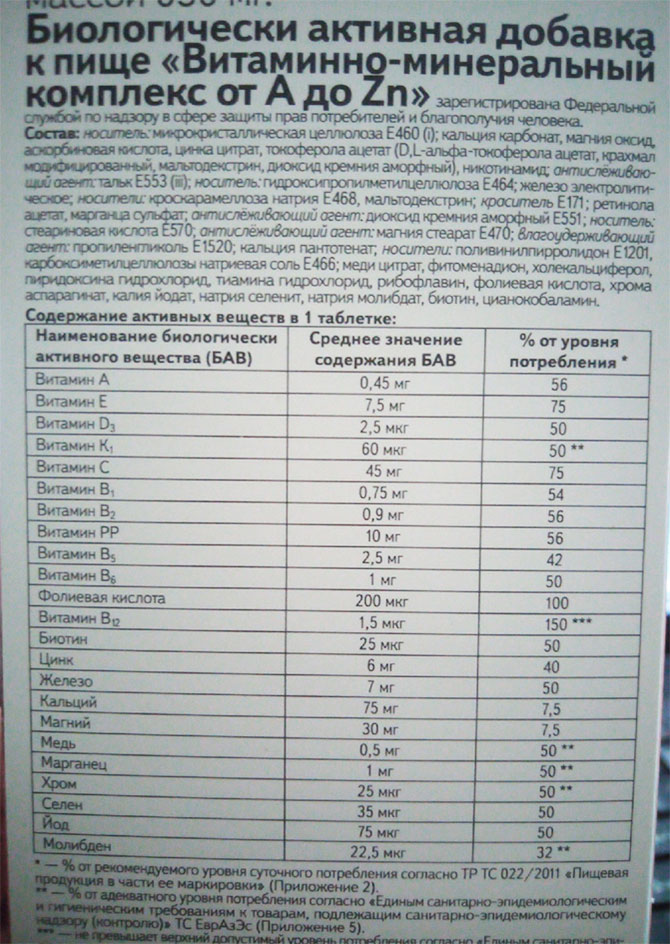
Regarding high dosages of vitamins. For example, in Animal Pak from Universal Nutrition, the level of vitamin B5 is 9000%, which is 90 times more than what a person needs in a day. However: - B vitamins are quickly eliminated from the body (they are water-soluble and do not stay in the body for long); - these are sports vitamins with high dosages, suitable for individuals with extremely high physical activity; - they are taken in courses: you take a course, then forget about it for a while. Therefore, there is no need to fear overdoses of vitamins/minerals: hypervitaminosis is rare today. It is far more likely that each of us has a hypovitaminosis (a deficiency of something). My words are confirmed by Rospotrebnadzor. Add to this the extra weight, which leads to a reduction in micronutrients in the body (study), training, frequent stress, and other factors that deplete minerals and vitamins. As of today, nutrition cannot cover all the body's needs for micro and macroelements. Even if you eat a varied diet: stress, increased physical activity, a lot of work, or household activities – all this leads to a deficiency of micronutrients. But not in the diet we have compiled (weight loss, weight gain – that’s secondary). SIMILAR ARTICLES
COMMENTS |